At Little Harvard Preschool, we believe that education should be a joyful journey of discovery, not a rigid race to check boxes. That’s why we’ve built our entire philosophy around the 50/50 model—50% academics and 50% child’s interests. This unique approach has transformed how our children learn, grow, and thrive.
What is the 50/50 Model?
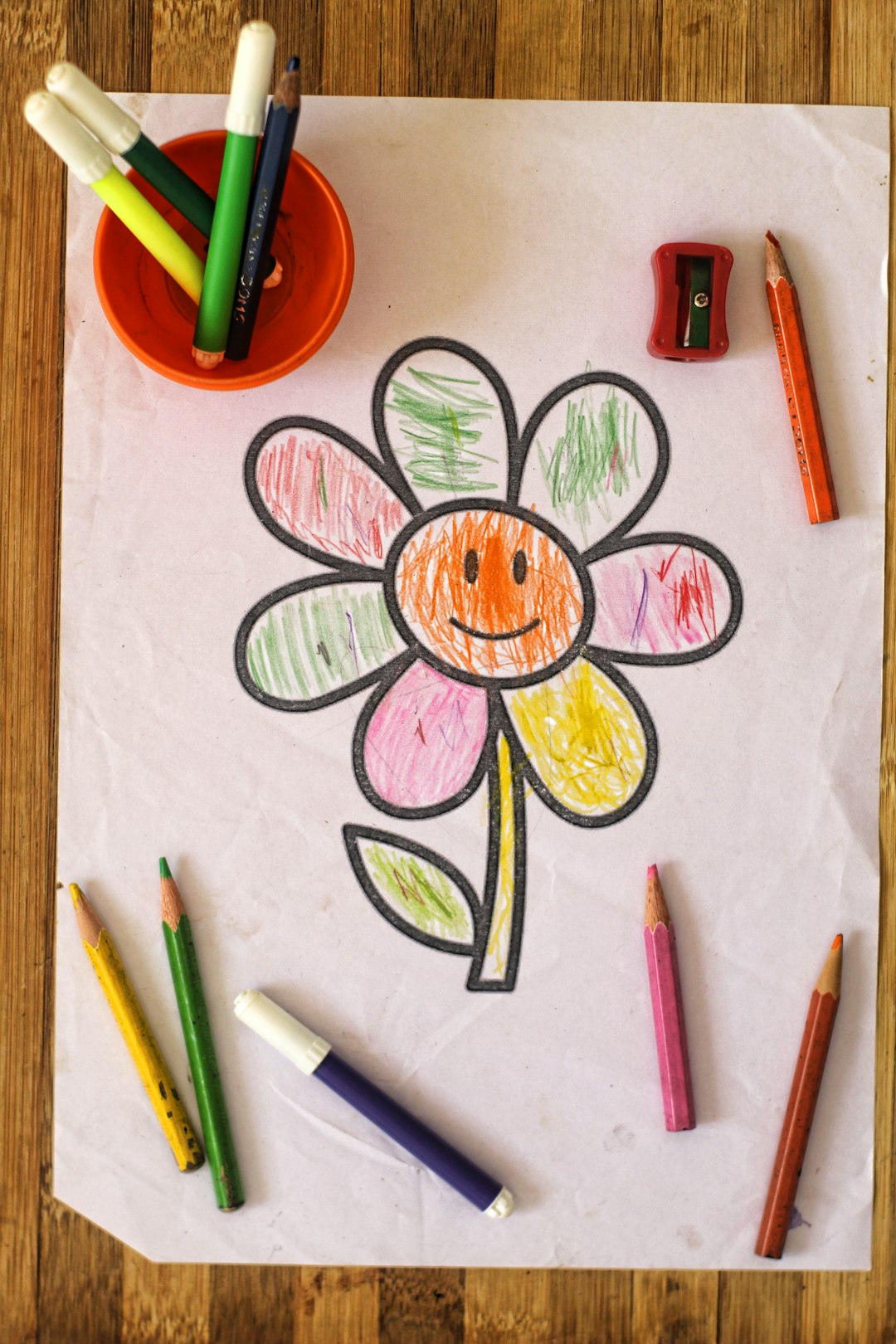
The 50/50 model is simple yet revolutionary. We dedicate half of each day to building strong academic foundations—phonics, numeracy, literacy, and cognitive skills. The other half is entirely devoted to exploring what your child loves most: art, music, nature, storytelling, dance, or whatever sparks their curiosity.
Why This Balance Matters
Traditional education often focuses heavily on academics, leaving little room for creativity and self-expression. But research shows that children learn best when they’re engaged, interested, and emotionally connected to what they’re doing. When we honor both academics and interests, we create a learning environment where:
Children stay motivated: They look forward to school because they know they’ll get to do things they love.
Learning becomes meaningful: Academic concepts make more sense when connected to real interests.
Confidence grows naturally: Success in their passion areas builds self-esteem that carries into academics.
Well-rounded development happens: Children develop both intellectual and creative skills simultaneously.
How It Works in Practice
A typical day at Little Harvard might look like this
Morning (Academic Focus): Children engage in structured phonics lessons, number work, and literacy activities. Our teachers use play-based methods to make learning engaging and age-appropriate
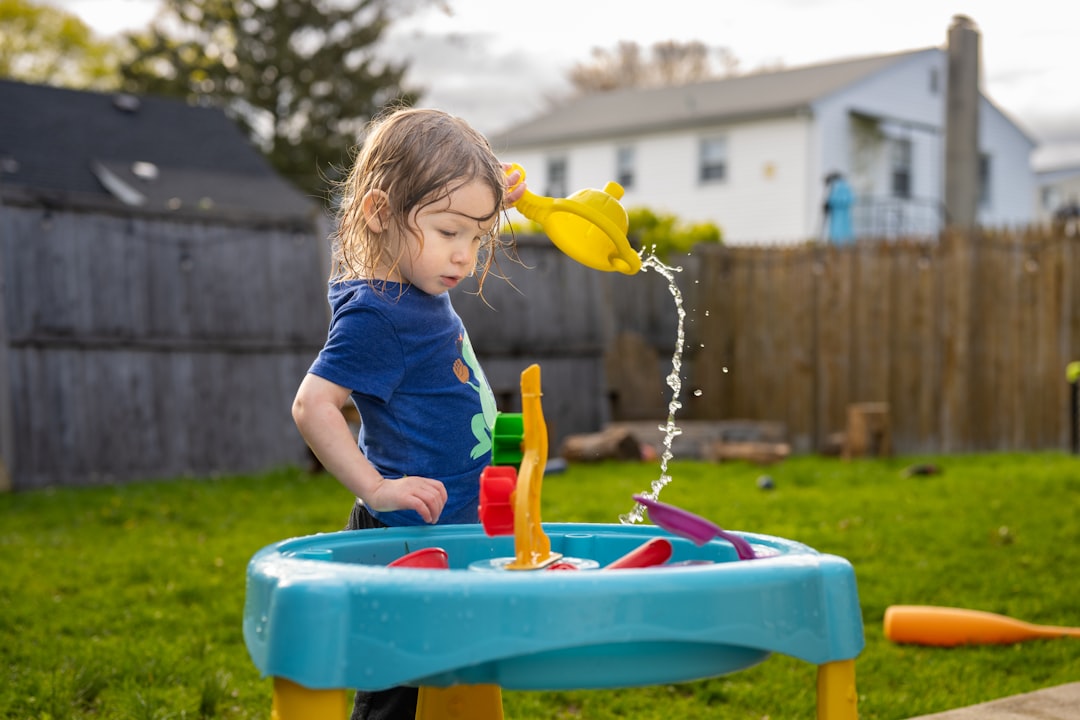
Afternoon (Interest-Based Learning): Children choose from various activity stations—art corner, music room, nature exploration area, storytelling circle, or building blocks. Teachers observe and facilitate, helping children dive deeper into their chosen interests.
Real Results We've Seen
Over the years, we’ve witnessed remarkable outcomes:
Children who struggled with reading suddenly make breakthroughs after creating storybooks about their favorite topics.
Shy children blossom into confident performers through our music and dance activities.
Kids develop problem-solving skills through hands-on projects they’re passionate about.
Parents report happier, more curious children who genuinely love learning.
The Science Behind Our Approach
Our 50/50 model is backed by child development research. Studies show that when children have autonomy in their learning and can pursue their interests, they:
Develop intrinsic motivation (they want to learn, not just to please adults)
Build stronger neural connections through emotional engagement
Retain information better because it’s personally meaningful
Develop self-regulation and decision-making skills
A Second Home, Not Just a School
The 50/50 model helps us create an environment that feels like a second home. Children aren’t just students following a strict curriculum—they’re young explorers with unique interests, talents, and curiosities. We honor that by giving them space to be themselves while also building the academic foundations they need for future success.
What Parents Tell Us
Parents often share that their children come home excited to tell them what they learned. They talk about the story they wrote, the song they learned, the painting they created—alongside their phonics practice and number work. This enthusiasm for learning is the true measure of success.
Join the Little Harvard Difference
If you’re looking for a preschool that values your child as a whole person—not just a student—we invite you to experience the 50/50 model firsthand.
Schedule a campus visit to see how we blend academics and interests into a joyful, nurturing learning experience.
Because at Little Harvard, we believe every child deserves an education that honors both their mind and their heart.